
The short answer
Offer safe places to climb, scratch, hide and play, and let your cat choose when to interact. Sturdy equipment and predictable, gentle handling matter more than expecting a Maine Coon to act ‘dog-like’.
Give your cat choices
A good indoor environment offers resting places, hiding options and vantage points as well as toys. Cats need to feel safe, not constantly on display. Place resources so a cat can reach them without being cornered by another pet.
Maine Coons can grow into large cats, so inspect the stability and usable space of trees, shelves and scratching posts. Equipment should support your individual cat’s weight and movement. Check fastenings and worn parts regularly.
- A stable scratching surface that allows a comfortable stretch.
- A quiet retreat that children and other pets do not invade.
- Secure climbing or resting options appropriate to the cat’s mobility.
- Accessible litter, water and feeding areas.
Make play interactive and safe
Try short play sessions with toys that mimic movement and let your cat stalk, chase and catch. Rotate toys instead of leaving every toy out at once. Food puzzles can add variety, but account for their food in the daily feeding plan.
Do not encourage a kitten to attack hands or feet. Put string, ribbon and wand toys away after supervised use; swallowed material can be dangerous. Choose toys without loose pieces your kitten could ingest.
Teach children to respect the cat’s signals
Friendly breed descriptions are not a guarantee that an individual kitten wants to be held. Teach children to sit calmly, invite rather than chase interaction and leave the cat alone while eating, sleeping or hiding.
Watch body language and stop before the interaction becomes stressful. Supervise young children and protect the cat’s ability to walk away. If you are unsure about a behavior, ask a veterinarian or qualified behavior professional rather than punishing the cat.
Notice behavior changes
A sudden change in play, hiding, toileting or tolerance of handling may reflect discomfort or illness, not stubbornness. Start with a veterinary assessment when behavior changes unexpectedly.
In homes with multiple pets, competition over resources can add stress. Separate resting and feeding options and a gradual introduction process are often more helpful than forcing animals to share everything.
At Crowned Maine Coons
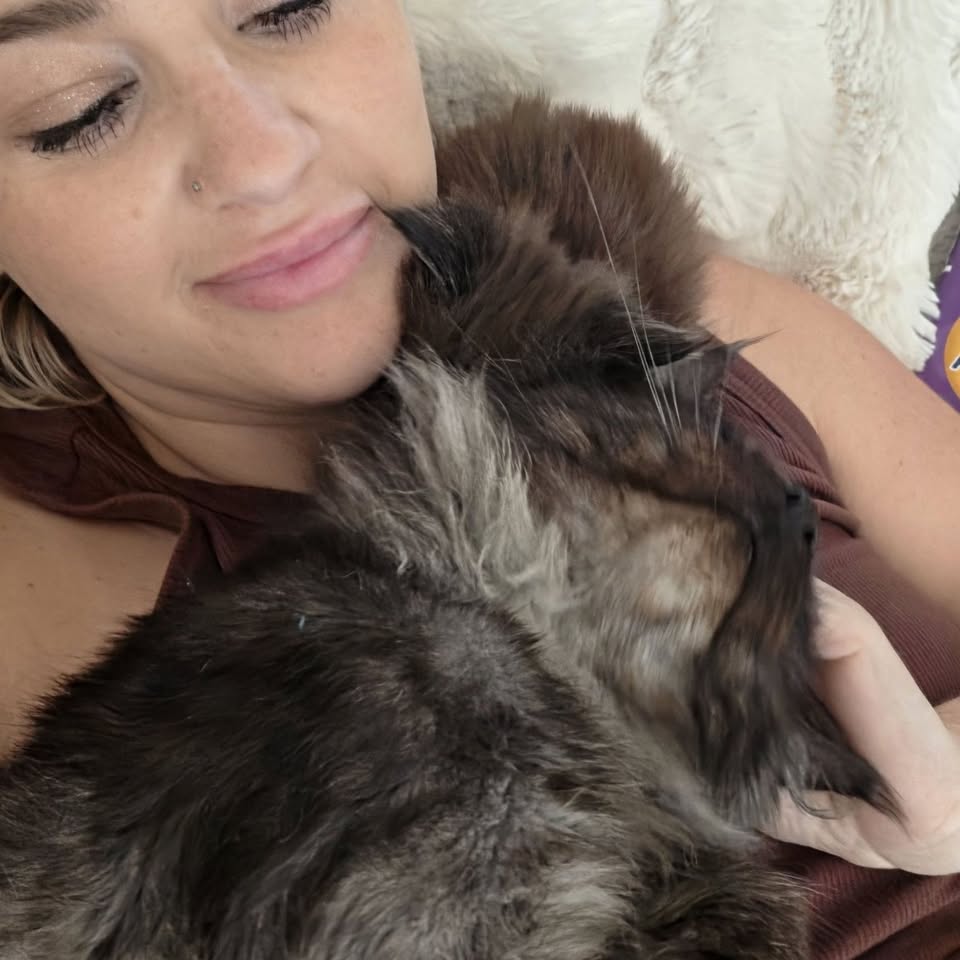
Our social photos show cats in family life, but each kitten is an individual. Tell us about your household and resident pets so we can discuss your questions before homecoming.
Ask us about your kittenCommon questions
Will every Maine Coon learn to fetch?
No. Some cats enjoy fetching or training; others prefer different games. Follow the individual cat’s interests rather than a breed stereotype.
Can I leave string toys out for my kitten?
Keep strings, ribbons and wand toys for supervised play and store them securely afterward. Contact a veterinarian urgently if you suspect your kitten swallowed string.
Sources & further reading
General education, not an individual diagnosis or a claim about our kittens’ test results. Your veterinarian should guide health, nutrition and treatment decisions.